






PARTIAL FOOT PROSTHESIS VILE PARLE
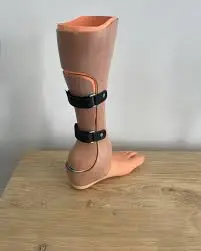
A partial foot prosthesis, or partial foot prosthetic, is a custom-made device that replaces the missing portion of the foot, such as the forefoot or midfoot, following a partial amputation, supporting mobility and restoring function and appearance
Partial foot prostheses are designed to replace the functions and appearance of the missing parts of the foot, enabling individuals to walk and participate in daily activities more comfortably.
- Protheses & Orthoses 9321110091
PROSTHETIC PARTIAL FOOT
- A prosthetic foot allows individuals to walk on two feet, which is crucial for regaining independence and engaging in daily activities.
- It enables individuals to participate in a wider range of physical activities, including walking, running, and potentially sports, depending on the type of prosthetic and the individual’s health.
- Prostheses can aid in daily living activities like hygiene, household duties, travel, and social events, making life easier and more enjoyable.
- Artificial limb, Prosthetic limb, Prosthetic leg, Prosthetic arm, Advanced prosthetics and Bionic limb

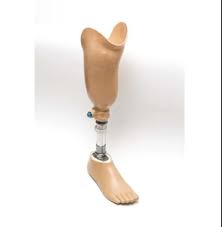
Why Choose Partial Prostheses
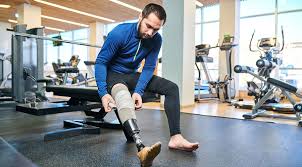
Mobility: Partial foot prostheses help individuals regain the ability to walk and move with greater ease and stability.
- Balance: They fill the space left by the missing toes or foot parts, improving balance and preventing the remaining toes from shifting.
- Function: They support everyday movements, increase muscle activity, and improve blood flow through the leg.
- Appearance: They aim to restore the natural appearance of the foot.
How Prostheses Improve Quality of Life
Prosthetics play a vital role in restoring independence and enhancing the overall well-being of individuals who have lost a limb due to injury, illness, or congenital conditions. Thanks to advancements in technology, modern prosthetics offer improved functionality, comfort, and aesthetics, helping users lead active and fulfilling lives. Here’s how prosthetics improve quality of life:
1. Restoring Mobility and Independence
One of the biggest advantages of prosthetics is that they help individuals regain their ability to move freely. Whether it’s a prosthetic leg for walking or a prosthetic arm for daily tasks, these devices enable users to perform everyday activities with confidence.
2. Enhancing Physical Health
Prolonged immobility can lead to muscle atrophy, joint stiffness, and circulation problems. Prosthetics help users stay active, reducing the risk of secondary health issues and promoting overall physical fitness.
3. Boosting Self-Confidence
Losing a limb can impact a person’s self-esteem, but a well-fitted prosthetic can restore confidence. Many users find that prosthetics help them feel more comfortable in social and professional settings, improving their emotional well-being.
4. Enabling Participation in Sports and Activities
Specialized prosthetics allow individuals to engage in sports and recreational activities, from running and cycling to swimming and rock climbing. These adaptive prosthetics empower users to pursue their passions and maintain an active lifestyle.
5. Enabling Mobility
A prosthetic foot is an assistive device to help you walk when you don’t have a whole foot. Different types of prosthetic feet support different mobility levels. A certified prosthetist can help select and customize the right prosthesis for your needs.
PARTIAL FOOT PROSTHESIS FUNCTION
Improved Gait and Stability:
Partial foot prostheses can help restore a more natural gait, reducing the energy expenditure required for walking and leading to less fatigue.
They can improve balance and stability, allowing individuals to feel more confident and secure when walking.
Some prostheses offer more stability, while others prioritize flexibility, catering to different needs and activities.
- Partial foot prostheses can evenly distribute pressure during walking, reducing stress and strain on the residual foot and surrounding tissues.
- They can also help relieve pain and discomfort associated with walking without a prosthesis.
- Enhanced Stability:These prosthetics fill the void left by the amputated portion of the foot, allowing for better weight distribution and reducing the risk of falls.
- Cosmetic Improvement:Partial foot prostheses can improve the appearance of the foot, making it look more natural and improving the overall aesthetic.
- Restoring the Foot’s Lever Arm:Partial foot prostheses can restore the full length lever arm of the amputated fore-foot.
- Correcting and Supporting Foot Alignment:They can help correct and support the optimum alignment of the remaining foot.
Prosthetic Fittings and Adjustments Process For Partial Foot
- Consultation:
You’ll meet with a prosthetist to discuss your needs, goals, and medical history.
- Assessment:
The prosthetist will assess your residual limb, physical strength, and mobility.
- Goals:
The prosthetist will work with you to determine your lifestyle and activity level to design a prosthesis that meets your specific needs.
- Shaping:The residual limb may need to be shaped and reduced in size to ensure a proper fit.
- Exercises & Therapy:
Your prosthetist may recommend exercises and physical therapy to strengthen surrounding muscles and improve balance and gait.
- Casting:A mold of your residual limb is created using plaster or fiberglass bandages or digital imaging.
- Model:
The mold is used to create a positive model of the limb, which is then modified to match the individual characteristics of your residual limb.
- Test Socket:
A socket is formed around the model and integrated into a diagnostic prosthesis to test various component combinations.
- Trial Fittings:
You’ll try on the test prosthesis and the prosthetist will make adjustments to ensure comfort, stability, function, and efficiency.
- Multiple Fittings:Several fittings may be required to achieve optimal socket comfort and stability.
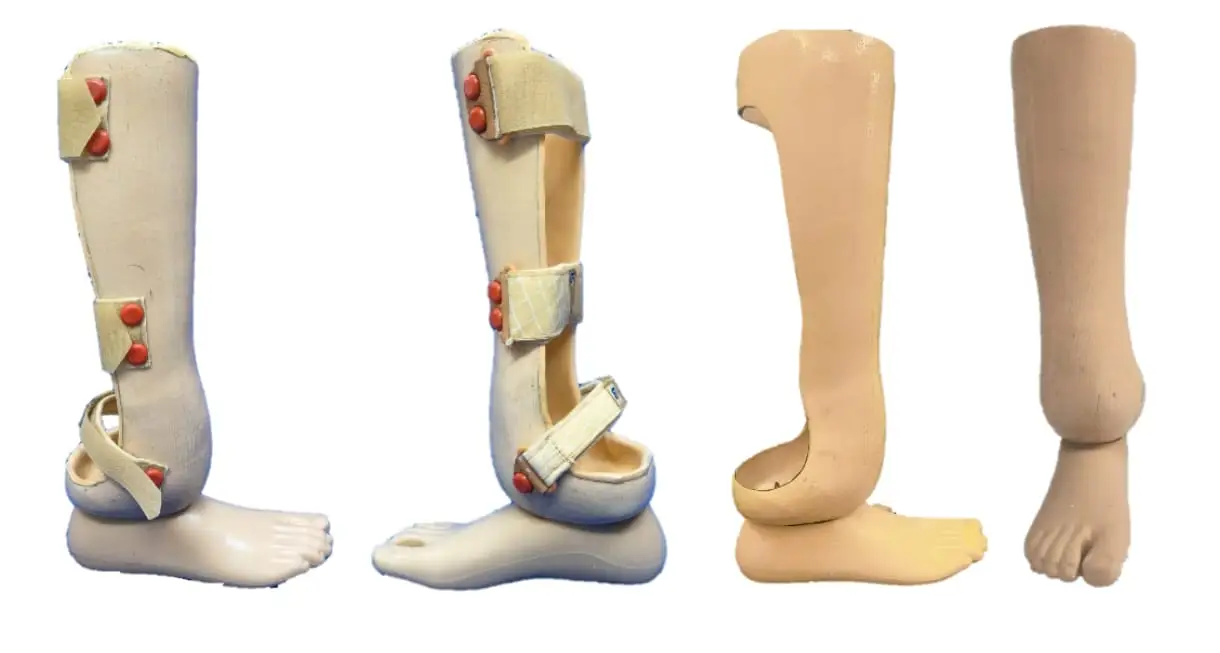
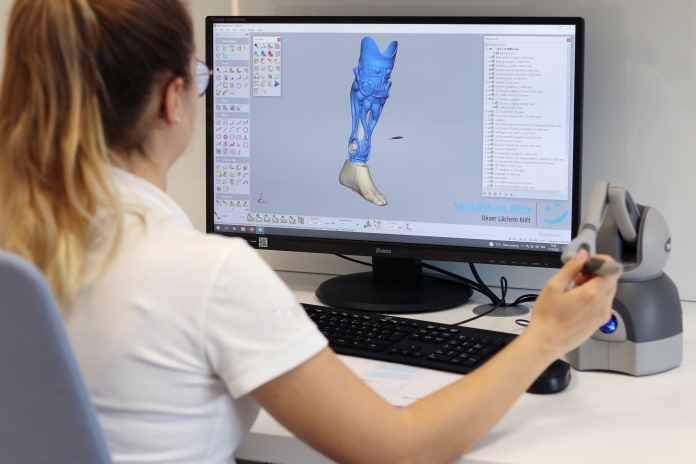
3D Scanning Prosthesis
3D scanning prosthesis is an advanced technology that uses high-precision 3D scanning to create customized prosthetic limbs and body parts with exceptional accuracy. This process captures detailed measurements of the residual limb or affected area, ensuring a perfect fit and enhanced comfort for the user. By eliminating traditional molding techniques, 3D scanning significantly reduces the time required for prosthesis fabrication while improving precision and design efficiency. Combined with 3D printing, this technology allows for lightweight, durable, and highly functional prosthetics tailored to individual needs. It has revolutionized the field of prosthetics by making high-quality, affordable, and personalized solutions more accessible to amputees and individuals with limb differences.
Orthotics
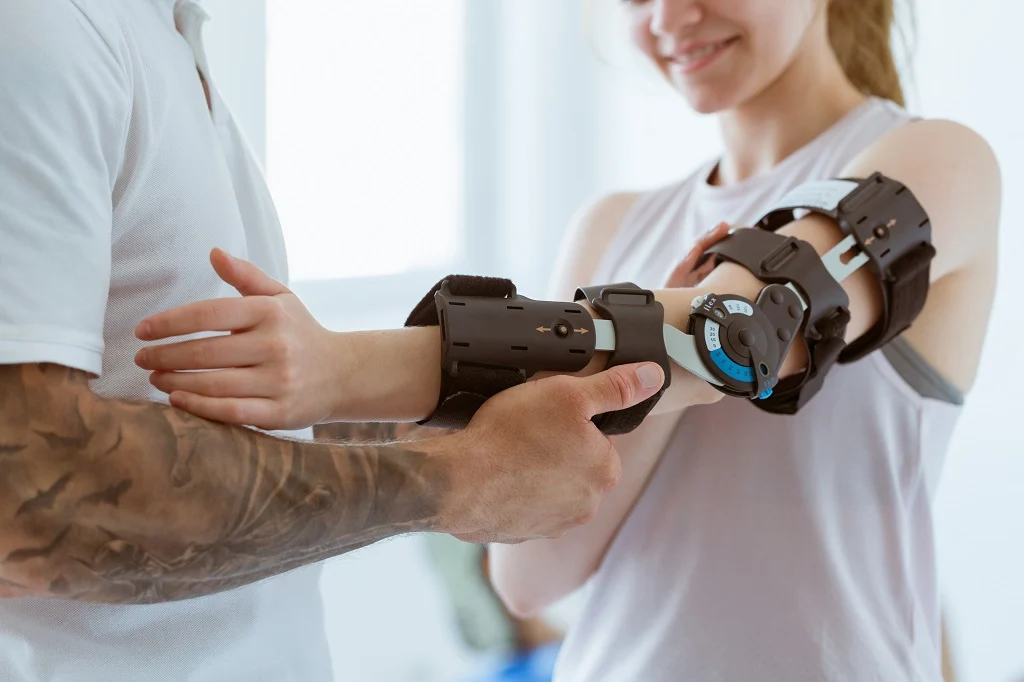
Orthotic prosthesis refers to a specialized medical device that combines elements of both orthotics and prosthetics to support, correct, or replace a missing or impaired limb. Orthotic devices, such as braces and supports, help stabilize and improve the function of weakened or deformed limbs, while prosthetic components replace lost body parts to restore mobility. This hybrid approach is particularly beneficial for individuals with conditions like partial amputations, neuromuscular disorders, or joint instability. Advanced materials like carbon fiber, silicone, and 3D-printed components enhance durability, comfort, and functionality. Orthotic prostheses improve mobility, reduce pain, and enhance the overall quality of life by providing tailored support and movement assistance.
Accolades
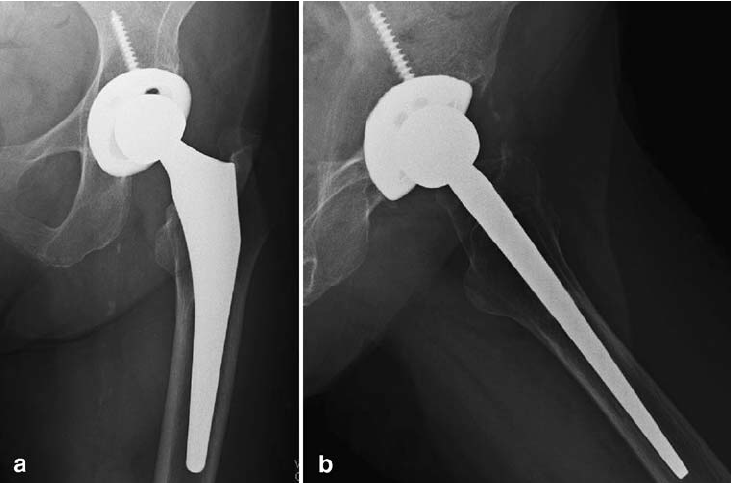
Accolades prosthesis refers to high-quality, innovative prosthetic solutions that have been recognized for their excellence in design, functionality, and user comfort. These prosthetic devices are developed using cutting-edge technologies, such as 3D printing, advanced biomechanics, and bionic enhancements, to provide superior mobility and adaptability. Many accolade-winning prostheses focus on improving the lives of amputees by offering lightweight, durable, and highly customized designs that closely mimic natural limb movement. Recognized by medical professionals and industry experts, these prosthetic advancements contribute significantly to rehabilitation, independence, and confidence for users, setting new standards in prosthetic care and technology.
Podiascan
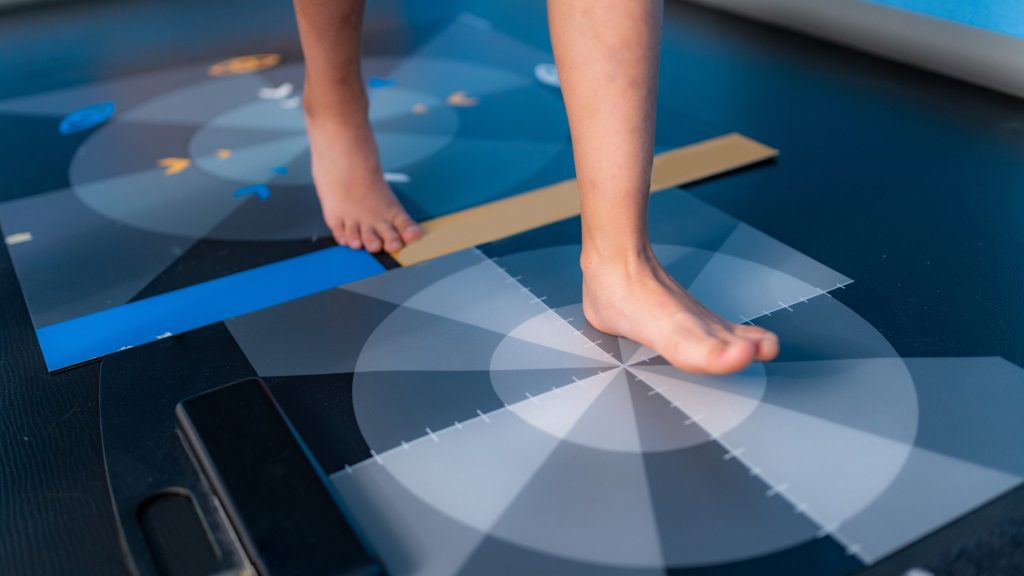
Podiascan prosthesis is an advanced prosthetic solution that utilizes podiascan technology to assess foot pressure distribution and gait patterns for individuals with lower limb impairments. This technique involves scanning the foot to analyze weight distribution, arch structure, and pressure points, ensuring a highly customized prosthetic design for optimal comfort and functionality. By using podiascan data, prosthetists can create well-fitted prosthetic feet or orthotic supports that enhance mobility, reduce strain, and prevent complications such as pressure sores or misalignment. This technology is particularly beneficial for individuals with diabetes, limb loss, or orthopedic conditions, as it helps improve balance, posture, and overall movement efficiency.