






PROSTHETIC FOOT ARTIFICIAL LIMB DADAR
A prosthesis in an artificial body part that replaces a port that’s missing or no longer functional. You might use a prosthesis if you’ve lost a body part to injury or disease, or you were born on without one, As the patient progresses through gait training, they will learn how to bear weight on the prosthetic limb and maintain balance. This may involve using crutches or a walker at first to provide extra support and gradually transitioning to walking with the prosthetic limb alone.
How prostheses are used
- Prostheses can be used to improve appearance
- Prostheses can be used to replace a body part that was missing at birth
- Prostheses can be used to replace a body part that was lost in an accident or through amputation
- Prostheses can be used as an alternative to reconstructive surgery.
- Protheses & Orthoses 9321110091
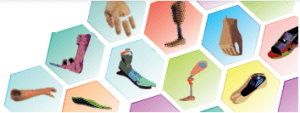
PROSTHETIC HAND PROSTHETIC LEG
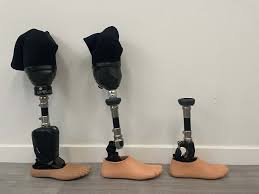
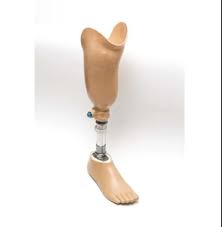
Prosthetic feet that have movement in two or three axes provide increased mobility at the ankle, which helps stabilize the user while navigating on uneven surfaces. Single-Axis Foot: The articulated single axis foot contains an ankle joint that allows the foot to move up and down, enhancing knee stability.
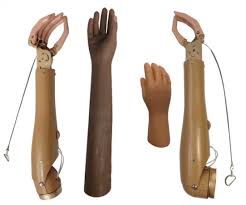
There are many types of prosthetic devices to help people regain mobility. They fall into four main categories; transradial, transhumeral, transtibial, and transfemoral. Each serves a different function depending on what body part is missing.
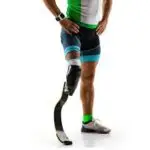
Prosthetic legs, or prostheses, can help people with leg amputations get around more easily. They mimic the function and, sometimes, even the appearance of a real leg. Some people still need a cane, walker or crutches to walk with a prosthetic leg, while others can walk freely.
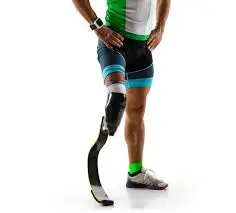
A prosthetic leg is an artificial device designed to replace a lost leg, helping the user to walk and maintain mobility. The goal of a prosthetic leg is to mimic the function of a natural leg, allowing amputees to move with relative ease. These include hip disarticulation, transfemoral prosthesis, knee disarticulation, transtibial prosthesis, Syme’s amputation, foot, partial foot, and toe.
- Artificial limb, Prosthetic limb, Prosthetic leg, Prosthetic arm, Advanced prosthetics and Bionic limb

Why Choose Prostheses
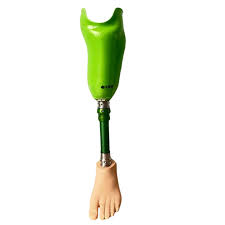
Prosthetics play a crucial role in restoring mobility, confidence, and independence for individuals who have lost a limb due to injury, illness, or congenital conditions. Modern advancements in prosthetic technology have made artificial limbs more functional, comfortable, and lifelike than ever before. Here’s why choosing prosthetics can be a life-changing decision:
Choosing prosthetics is a powerful step towards reclaiming an active and independent life. With the right prosthetic solution, individuals can overcome physical limitations and embrace new opportunities with confidence and determination. If you or a loved one is considering prosthetics, consult with a specialist to explore the best options tailored to your needs.
How Prostheses Improve Quality of Life
Prosthetics play a vital role in restoring independence and enhancing the overall well-being of individuals who have lost a limb due to injury, illness, or congenital conditions. Thanks to advancements in technology, modern prosthetics offer improved functionality, comfort, and aesthetics, helping users lead active and fulfilling lives. Here’s how prosthetics improve quality of life:
1. Restoring Mobility and Independence
One of the biggest advantages of prosthetics is that they help individuals regain their ability to move freely. Whether it’s a prosthetic leg for walking or a prosthetic arm for daily tasks, these devices enable users to perform everyday activities with confidence.
2. Enhancing Physical Health
Prolonged immobility can lead to muscle atrophy, joint stiffness, and circulation problems. Prosthetics help users stay active, reducing the risk of secondary health issues and promoting overall physical fitness.
3. Boosting Self-Confidence
Losing a limb can impact a person’s self-esteem, but a well-fitted prosthetic can restore confidence. Many users find that prosthetics help them feel more comfortable in social and professional settings, improving their emotional well-being.
4. Enabling Participation in Sports and Activities
Specialized prosthetics allow individuals to engage in sports and recreational activities, from running and cycling to swimming and rock climbing. These adaptive prosthetics empower users to pursue their passions and maintain an active lifestyle.
Prosthetic Fittings and Adjustments What to Expect
Getting a prosthetic limb is a life-changing experience, but it requires a proper fitting and ongoing adjustments to ensure comfort and functionality. The process involves multiple steps, from initial assessments to final customization, ensuring that the prosthetic meets the user’s unique needs.
The journey begins with a consultation with a prosthetist, a specialist who evaluates the residual limb, overall health, and lifestyle requirements. This assessment helps determine the most suitable type of prosthetic, whether for daily use, sports, or specific activities. Once the right prosthetic is chosen, a custom socket is created to fit securely and comfortably. The socket is the part of the prosthetic that connects to the residual limb, and achieving the perfect fit is crucial to preventing discomfort, skin irritation, or pressure sores.
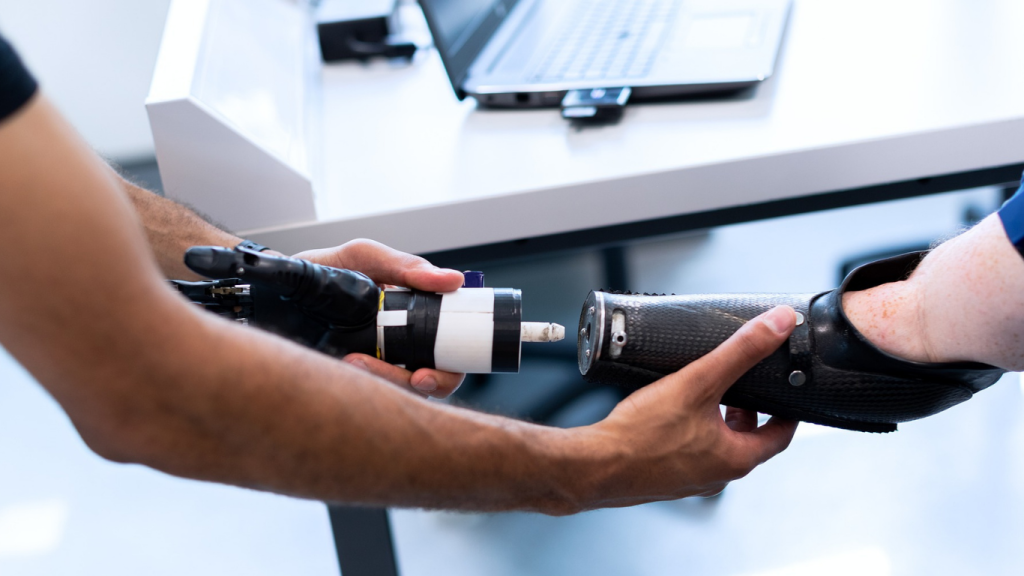
Prosthetics
Prosthetics refers to the design, creation, and use of artificial limbs or body parts to restore mobility and functionality for individuals who have lost a limb due to injury, disease, or congenital conditions. Modern prosthetic devices are made using advanced materials like carbon fiber, silicone, and titanium, ensuring durability, flexibility, and a natural appearance. Technological advancements, such as bionic prosthetics and 3D printing, have significantly improved their functionality, allowing for better movement and comfort. These devices not only enhance physical capabilities but also improve the overall quality of life by restoring independence and confidence.
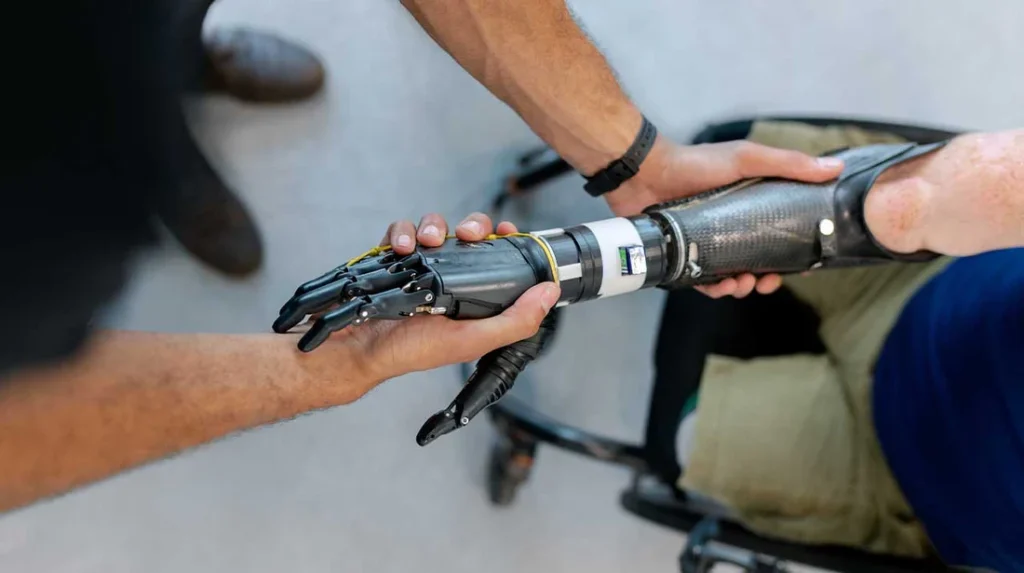
Upper Extremity
The upper extremity refers to the region of the human body that includes the shoulder, arm, forearm, wrist, and hand. It plays a crucial role in performing various daily activities, from lifting and carrying objects to fine motor tasks like writing and typing. The upper extremity consists of bones such as the humerus, radius, and ulna, along with muscles, joints, tendons, and nerves that enable movement and dexterity. Injuries or conditions affecting the upper extremity, such as fractures, arthritis, or nerve damage, can significantly impact mobility and functionality. Medical interventions, including physical therapy, surgery, and prosthetics, help restore strength and movement in cases of impairment.
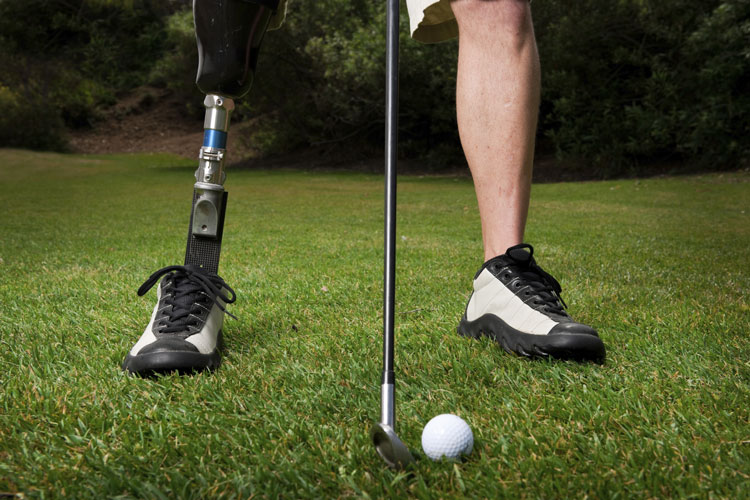
Lower Extremity
The lower extremity refers to the part of the human body that includes the hip, thigh, knee, leg, ankle, and foot. It is essential for weight-bearing, balance, and movement, enabling activities like walking, running, and jumping. The lower extremity consists of major bones such as the femur, tibia, and fibula, along with muscles, ligaments, tendons, and joints that provide strength and flexibility. Injuries or conditions affecting the lower extremity, such as fractures, arthritis, or nerve damage, can severely impact mobility and quality of life. Medical treatments, including physical therapy, surgery, and prosthetics, help restore function and improve movement in cases of impairment.
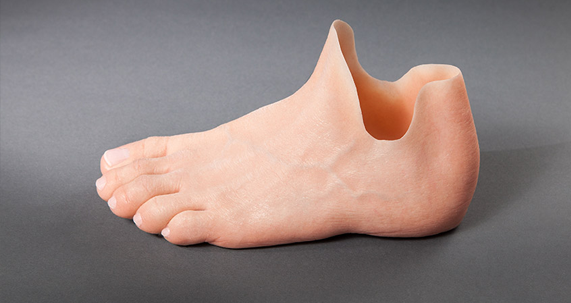
Silicon Prosthesis
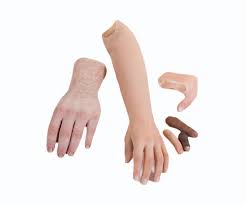
Silicone prosthesis is a type of custom-made artificial body part designed to replace missing limbs, fingers, toes, or facial features with a lifelike appearance and texture. Made from medical-grade silicone, these prosthetics closely mimic natural skin in color, texture, and flexibility, providing both functional and aesthetic benefits. They are commonly used in cases of amputations, congenital deformities, or trauma-related injuries. Silicone prostheses offer comfort, durability, and water resistance, allowing users to carry out daily activities with ease. Advanced techniques, such as color matching and embedded details like veins and fingerprints, enhance realism, boosting the confidence and quality of life of individuals who use them.
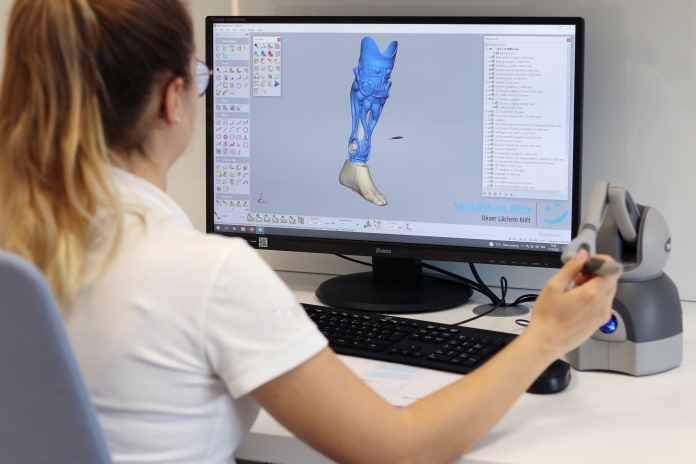
3D Scanning Prosthesis
3D scanning prosthesis is an advanced technology that uses high-precision 3D scanning to create customized prosthetic limbs and body parts with exceptional accuracy. This process captures detailed measurements of the residual limb or affected area, ensuring a perfect fit and enhanced comfort for the user. By eliminating traditional molding techniques, 3D scanning significantly reduces the time required for prosthesis fabrication while improving precision and design efficiency. Combined with 3D printing, this technology allows for lightweight, durable, and highly functional prosthetics tailored to individual needs. It has revolutionized the field of prosthetics by making high-quality, affordable, and personalized solutions more accessible to amputees and individuals with limb differences.
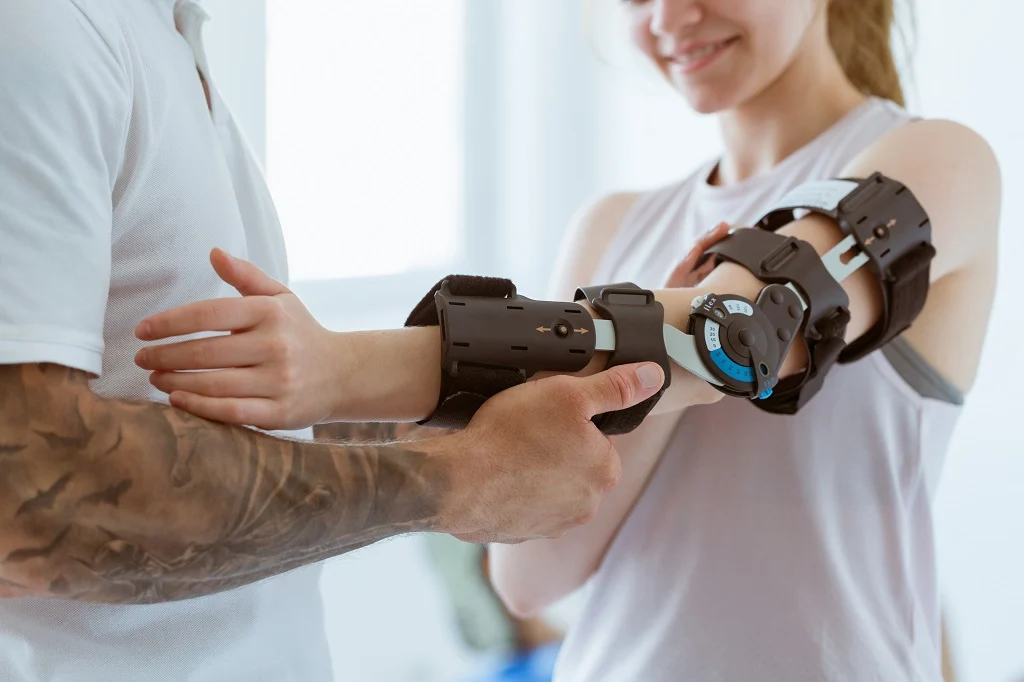
Orthotics
Orthotic prosthesis refers to a specialized medical device that combines elements of both orthotics and prosthetics to support, correct, or replace a missing or impaired limb. Orthotic devices, such as braces and supports, help stabilize and improve the function of weakened or deformed limbs, while prosthetic components replace lost body parts to restore mobility. This hybrid approach is particularly beneficial for individuals with conditions like partial amputations, neuromuscular disorders, or joint instability. Advanced materials like carbon fiber, silicone, and 3D-printed components enhance durability, comfort, and functionality. Orthotic prostheses improve mobility, reduce pain, and enhance the overall quality of life by providing tailored support and movement assistance.
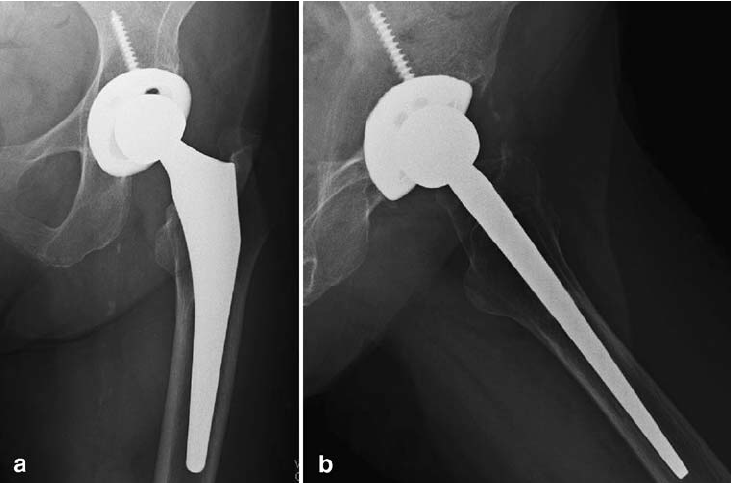
Accolades
Accolades prosthesis refers to high-quality, innovative prosthetic solutions that have been recognized for their excellence in design, functionality, and user comfort. These prosthetic devices are developed using cutting-edge technologies, such as 3D printing, advanced biomechanics, and bionic enhancements, to provide superior mobility and adaptability. Many accolade-winning prostheses focus on improving the lives of amputees by offering lightweight, durable, and highly customized designs that closely mimic natural limb movement. Recognized by medical professionals and industry experts, these prosthetic advancements contribute significantly to rehabilitation, independence, and confidence for users, setting new standards in prosthetic care and technology.
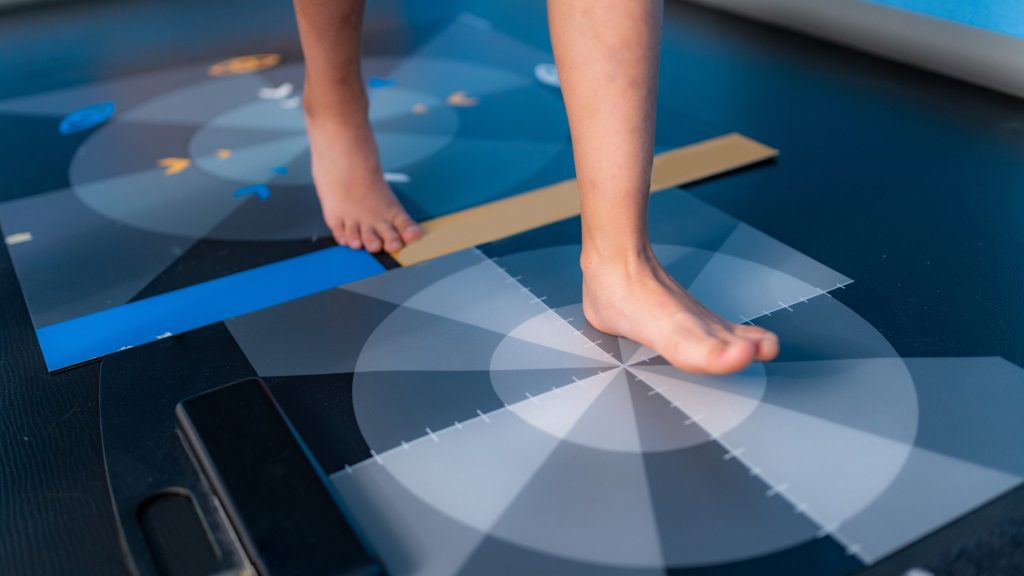
Podiascan
Podiascan prosthesis is an advanced prosthetic solution that utilizes podiascan technology to assess foot pressure distribution and gait patterns for individuals with lower limb impairments. This technique involves scanning the foot to analyze weight distribution, arch structure, and pressure points, ensuring a highly customized prosthetic design for optimal comfort and functionality. By using podiascan data, prosthetists can create well-fitted prosthetic feet or orthotic supports that enhance mobility, reduce strain, and prevent complications such as pressure sores or misalignment. This technology is particularly beneficial for individuals with diabetes, limb loss, or orthopedic conditions, as it helps improve balance, posture, and overall movement efficiency.