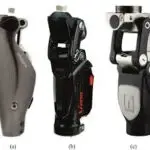







Pylon Prosthesis Panvel BACK UP LIMBS
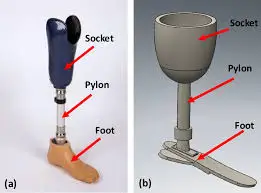
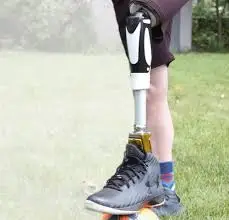
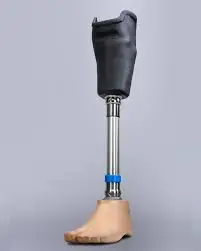
A prosthetic pylon is a crucial component of a lower limb prosthesis, serving as the main structural element connecting the socket (where the limb is fitted) to the foot. “pylon” refers to the shaft or rod-like part of a lower limb prosthesis that provides support and transmits weight during walking and rehabilitation.
How prosthesis is used
- Prosthesis can be used to improve appearance
- Prosthesis can be used to replace a missing body part.
- Prosthesis can used to replace a body part that was lost due to some trauma.
- Prosthesis can be used as an alternative to reconstructive surgery.
- Best Artificial Limb Near Me | Protheses & Orthoses 9321110091
PROSTHETIC ARM PROSTHETIC LEG
- Function:
The pylon is a crucial component of a lower limb prosthesis, serving as the main structural element that connects the prosthetic socket (which fits over the residual limb) to the prosthetic foot.
- Materials:
Pylon materials can include titanium, aluminum, steel, and composite materials.
- Purpose:
The pylon is designed to mimic the function of the missing leg, allowing for weight-bearing and movement.
- Types of Prosthetics:
Pylons are used in various types of lower limb prosthetics, including transtibial (below knee) and transfemoral (above knee) prostheses.
- Design and Development:
The design and development of pylons involve considerations such as material strength, weight, and flexibility to ensure optimal performance and comfort for the user.
- Research and Development:There is ongoing research and development in the field of prosthetic pylons, with a focus on improving their durability, functionality, and aesthetics.
- Artificial limb, Prosthetic limb, Prosthetic leg, Prosthetic arm, Advanced prosthetics and Bionic limb
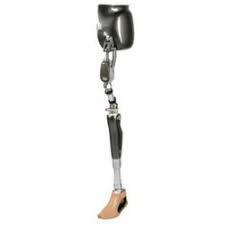
Why Choose Prostheses
- Amputees: Prostheses, particularly for limbs, can help individuals regain the ability to walk, run, grasp objects, and perform daily activities more independently.
- Improving Mobility: Prosthetic legs, for example, can mimic the function of a natural leg, allowing for easier movement and participation in various activities.
- Upper Limb Prosthetics: These can help with tasks like eating, writing, and personal hygiene.
How Pylon Prostheses Work?
- Function:
It provides support, distributes weight, and allows for movement during walking and other activities.
- Materials:
Pylons are typically made from materials like titanium, aluminum, and steel, chosen for their strength and durability.
- Importance:
The pylon is essential for patients who have undergone lower limb amputation, enabling them to regain mobility and participate in daily activities.
- Types of ProstheticsThere are many types of prosthetic devices to help people regain mobility. They fall into four main categories; transradial, transhumeral, transtibial, and transfemoral.
Benefits of Pylon Prostheses
- Restoration of Movement:Pylon prostheses are designed to mimic the function of a missing limb, allowing individuals to walk, stand, and perform various daily activities with greater ease and independence.
- Improved Gait and Balance:These prostheses are engineered to support weight and facilitate a more natural gait pattern, improving balance and stability.
- Enhanced Endurance:By distributing weight evenly across both sides of the body, pylon prostheses can help reduce strain on the remaining limb and improve endurance for longer periods of walking and standing.
- Ability to Participate in Activities:Prostheses enable individuals to participate in a wider range of activities, including work, sports, and social events, fostering greater inclusion and a sense of normalcy.
Prosthetics
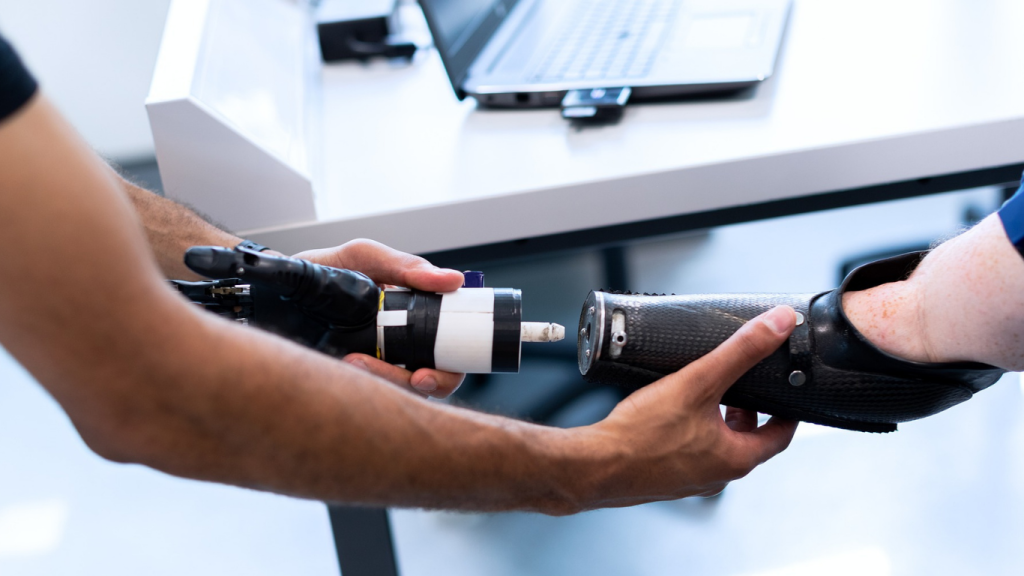
Prosthetics refers to the design, creation, and use of artificial limbs or body parts to restore mobility and functionality for individuals who have lost a limb due to injury, disease, or congenital conditions. Modern prosthetic devices are made using advanced materials like carbon fiber, silicone, and titanium, ensuring durability, flexibility, and a natural appearance. Technological advancements, such as bionic prosthetics and 3D printing, have significantly improved their functionality, allowing for better movement and comfort. These devices not only enhance physical capabilities but also improve the overall quality of life by restoring independence and confidence.
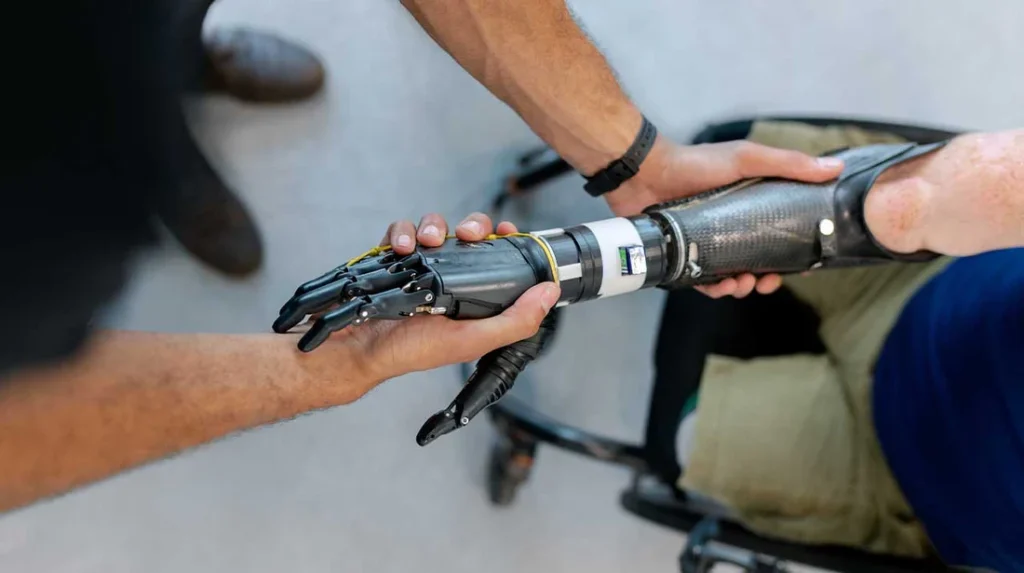
Upper Extremity
The upper extremity refers to the region of the human body that includes the shoulder, arm, forearm, wrist, and hand. It plays a crucial role in performing various daily activities, from lifting and carrying objects to fine motor tasks like writing and typing. The upper extremity consists of bones such as the humerus, radius, and ulna, along with muscles, joints, tendons, and nerves that enable movement and dexterity. Injuries or conditions affecting the upper extremity, such as fractures, arthritis, or nerve damage, can significantly impact mobility and functionality. Medical interventions, including physical therapy, surgery, and prosthetics, help restore strength and movement in cases of impairment.
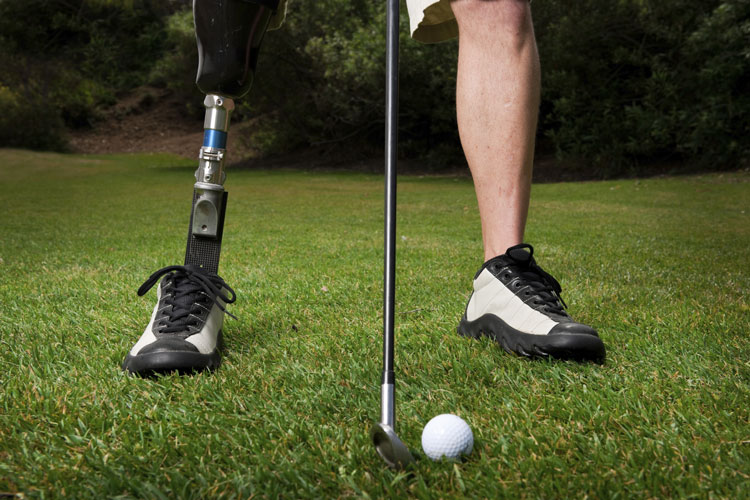
Lower Extremity
The lower extremity refers to the part of the human body that includes the hip, thigh, knee, leg, ankle, and foot. It is essential for weight-bearing, balance, and movement, enabling activities like walking, running, and jumping. The lower extremity consists of major bones such as the femur, tibia, and fibula, along with muscles, ligaments, tendons, and joints that provide strength and flexibility. Injuries or conditions affecting the lower extremity, such as fractures, arthritis, or nerve damage, can severely impact mobility and quality of life. Medical treatments, including physical therapy, surgery, and prosthetics, help restore function and improve movement in cases of impairment.
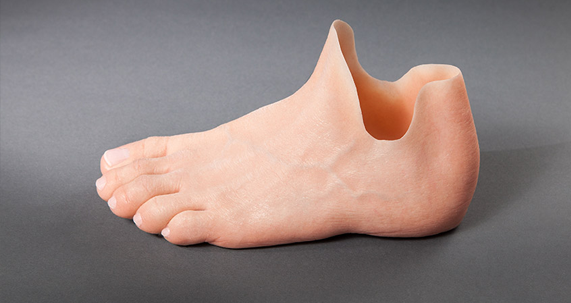
Silicon Prosthesis
Silicone prosthesis is a type of custom-made artificial body part designed to replace missing limbs, fingers, toes, or facial features with a lifelike appearance and texture. Made from medical-grade silicone, these prosthetics closely mimic natural skin in color, texture, and flexibility, providing both functional and aesthetic benefits. They are commonly used in cases of amputations, congenital deformities, or trauma-related injuries. Silicone prostheses offer comfort, durability, and water resistance, allowing users to carry out daily activities with ease. Advanced techniques, such as color matching and embedded details like veins and fingerprints, enhance realism, boosting the confidence and quality of life of individuals who use them.
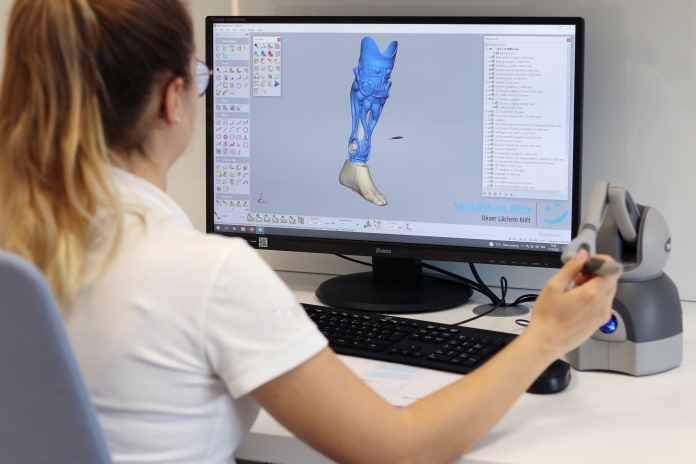
3D Scanning Prosthesis
3D scanning prosthesis is an advanced technology that uses high-precision 3D scanning to create customized prosthetic limbs and body parts with exceptional accuracy. This process captures detailed measurements of the residual limb or affected area, ensuring a perfect fit and enhanced comfort for the user. By eliminating traditional molding techniques, 3D scanning significantly reduces the time required for prosthesis fabrication while improving precision and design efficiency. Combined with 3D printing, this technology allows for lightweight, durable, and highly functional prosthetics tailored to individual needs. It has revolutionized the field of prosthetics by making high-quality, affordable, and personalized solutions more accessible to amputees and individuals with limb differences.
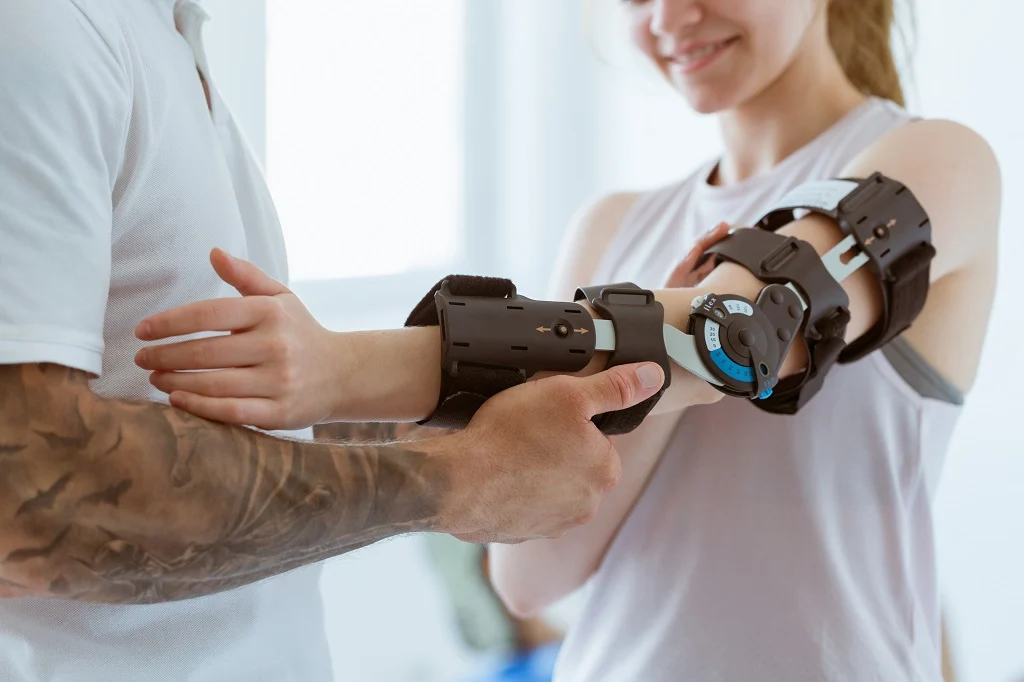
Orthotics
Orthotic prosthesis refers to a specialized medical device that combines elements of both orthotics and prosthetics to support, correct, or replace a missing or impaired limb. Orthotic devices, such as braces and supports, help stabilize and improve the function of weakened or deformed limbs, while prosthetic components replace lost body parts to restore mobility. This hybrid approach is particularly beneficial for individuals with conditions like partial amputations, neuromuscular disorders, or joint instability. Advanced materials like carbon fiber, silicone, and 3D-printed components enhance durability, comfort, and functionality. Orthotic prostheses improve mobility, reduce pain, and enhance the overall quality of life by providing tailored support and movement assistance.
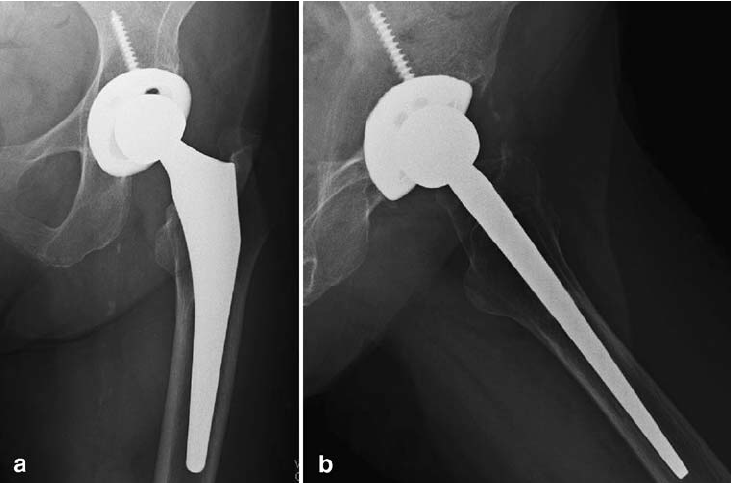
Accolades
Accolades prosthesis refers to high-quality, innovative prosthetic solutions that have been recognized for their excellence in design, functionality, and user comfort. These prosthetic devices are developed using cutting-edge technologies, such as 3D printing, advanced biomechanics, and bionic enhancements, to provide superior mobility and adaptability. Many accolade-winning prostheses focus on improving the lives of amputees by offering lightweight, durable, and highly customized designs that closely mimic natural limb movement. Recognized by medical professionals and industry experts, these prosthetic advancements contribute significantly to rehabilitation, independence, and confidence for users, setting new standards in prosthetic care and technology.
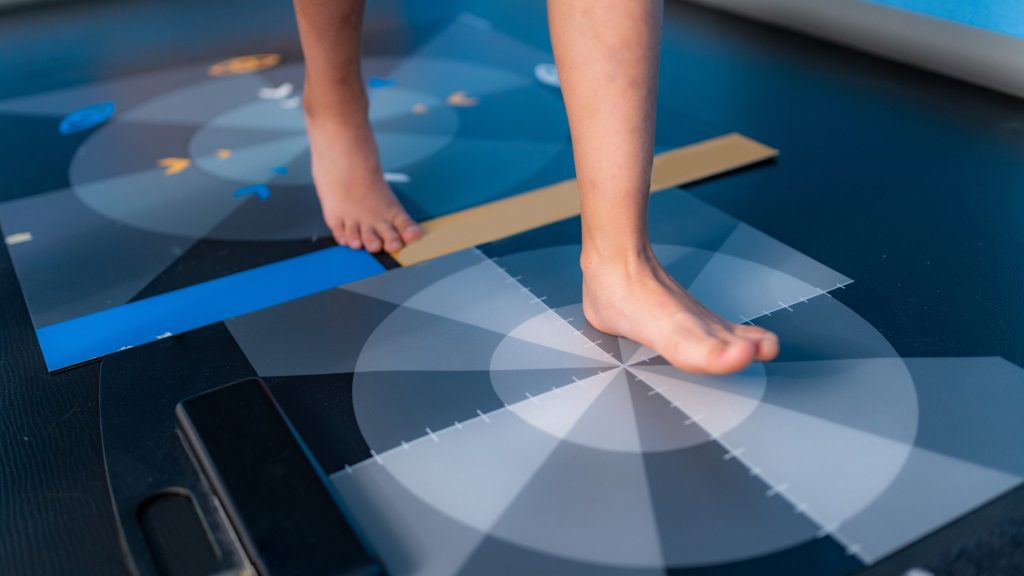
Podiascan
Podiascan prosthesis is an advanced prosthetic solution that utilizes podiascan technology to assess foot pressure distribution and gait patterns for individuals with lower limb impairments. This technique involves scanning the foot to analyze weight distribution, arch structure, and pressure points, ensuring a highly customized prosthetic design for optimal comfort and functionality. By using podiascan data, prosthetists can create well-fitted prosthetic feet or orthotic supports that enhance mobility, reduce strain, and prevent complications such as pressure sores or misalignment. This technology is particularly beneficial for individuals with diabetes, limb loss, or orthopedic conditions, as it helps improve balance, posture, and overall movement efficiency.
- https://backuplimbs.com/
- CHURCHGATE, MARINE LINE, CHARNI ROAD, GRANT ROAD, MUMBAI CENTRAL MAHALAXMI, LOWERPAREL, ELPHINSTONE ROAD PRABHADEVI, DADAR, MATUNGA ROAD, MAHIM JUNCTION, BANDRA, KHAR ROAD, SANTACRUZ, VILE PARLE, ANDHERI, JOGESHWARI, RAM MANDIR, GOREGAON, MALAD, KANDIVALI, BORIVALI, DAHISAR, MIRA ROAD, BHAYANDAR, NAIGOAN, VASAI ROAD, NALLA SOPARA, VIRAR.
- MUMBAI CST, MASJID BUNDER, SANDHURST ROAD, BYCULLA, CHINCHPOKLI, CURREY ROAD, PAREL, DADAR, MATUNGA, SION, KURLA, VIDYAVIHAR, GHATKOPAR, VIKROLI, KANJURMARG, BHANDUP, NAHUR, MULUND, THANE, KALWA, MUMBRA, DIVA, DOMBIVALI, THAKURLI, KALYAN. BADLAPUR, ULHASNAGAR, NERAL
- DOCKYARD ROAD, REAY ROAD, COTTON GREEN, SEWRI, WADALA ROAD, GTB NAGAR, CHUNABHATI, KURLA, TILAK NAGAR, CHEMBUR, GOVANDI, MANKHURD.
- VASHI, SANPADA, JUI NAGAR, SEAWOODS DARAVE, CBD BELAPUR, KHARGHAR, MANSAROVAR KAMOTHE, KHANDESHWAR, PANVEL, KARANJADE.
- TURBHE, KOPARKHERANE, GHANSOLI, RABALE, AIROLI.
- TARGHAR, BAMANDONGRI ULVE, KHARKOPAR, JASAI, DRONAGIRI, URAN.